Address
Near container Market Salamat Pura
Lahore

Different Types of Cable Lugs & Their Uses

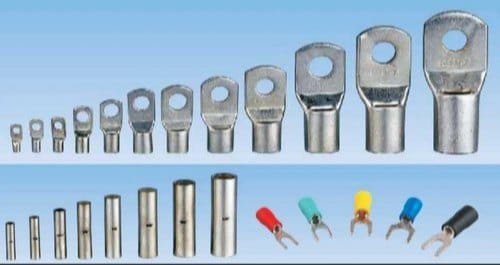
In any electrical system, a secure cable termination is critical for safety, performance, and long-term reliability. This is where cable lugs play an essential role. Cable lugs are used to connect electrical cables to terminals, busbars, switchgear, breakers, and control devices.
The right lug type improves current flow, reduces overheating, prevents loose connections, and makes maintenance easier. Different lug materials and designs are made for different cable types and electrical applications.
This blog explains the different types of cable lugs and their practical uses in detail.
1) Copper Cable Lugs
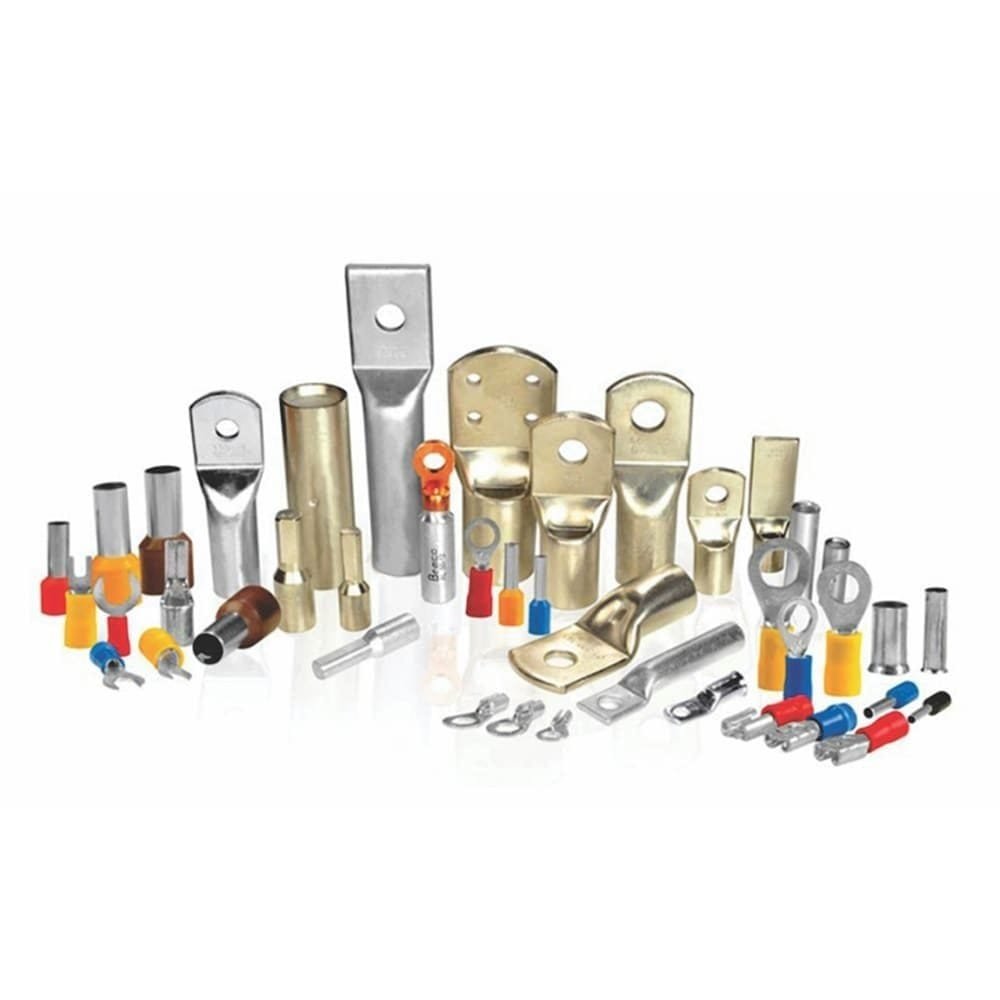
Copper cable lugs are the most widely used lugs in electrical installations because of their high conductivity, excellent strength, and corrosion resistance.
They are ideal for carrying high current with minimal voltage drop, which makes them the preferred choice for power applications. Many copper lugs are also tinned to improve corrosion resistance in outdoor or humid environments.
Why They Are Used
- High electrical conductivity
- Low resistance connection
- Excellent for high-current circuits
- Strong mechanical performance
- Long life span
- Reliable in harsh environments
Applications
Best used in:
- Power distribution panels
- Switchgear
- Transformers
- MCCBs and ACBs
- Battery banks
- Solar inverters
- Industrial machines
Best For
Choose copper lugs when:
- Copper cables are used
- High current loads are expected
- Power applications require maximum efficiency
- Long-term reliability is critical
2) Aluminum Cable Lugs
Aluminum cable lugs are designed specifically for aluminum conductors. They are lightweight, budget-friendly, and widely used where cable size is large and weight reduction matters.
Although aluminum has lower conductivity than copper, it offers a cost-effective solution for medium and large installations. Proper tightening and anti-oxidation treatment are important during installation.
Why They Are Used
- Lightweight construction
- Cost-effective
- Suitable for large cable sizes
- Good for outdoor utility use
- Economical for long cable runs
Applications
Commonly used in:
- Utility lines
- Outdoor panels
- Distribution transformers
- Large industrial feeders
- Solar power plants
- Aerial cable systems
Best For
Use aluminum lugs when:
- Aluminum cables are installed
- Budget is important
- Lightweight material is preferred
- Long cable routes are required
3) Bimetallic Lugs
Bimetallic lugs are specially designed for connecting aluminum cables to copper terminals or busbars.
This is one of the most important lug types in industrial and solar projects because direct copper-to-aluminum contact can cause galvanic corrosion, overheating, and connection failure. Bimetallic lugs solve this by combining an aluminum barrel with a copper palm.
Why They Are Used
- Connects copper to aluminum cables
- Prevents galvanic corrosion
- Reduces overheating risk
- Strong friction-welded design
- Long-lasting performance
- Safe mixed-metal connection
Applications
Best used in:
- Solar plants
- Industrial switchgear
- Power distribution systems
- Substations
- Control panels
- Busbar connections
Best For
Choose bimetallic lugs when:
- Aluminum cable connects to copper busbar
- Solar combiner boxes are used
- Corrosion prevention is important
- Mixed conductor materials exist
4) Pin Type Lugs
Pin type lugs are compact lugs with a solid pin-shaped end that can be inserted directly into terminals, relays, PLCs, and miniature control devices.
They are highly popular in control panels and automation systems where terminal space is limited.
Why They Are Used
- Slim pin design
- Easy insertion into terminal blocks
- Ideal for compact spaces
- Secure connection for control wiring
- Quick maintenance and replacement
Applications
Commonly used in:
- Control panels
- PLC panels
- Relays
- Timers
- Automation systems
- Instrumentation wiring
- Terminal blocks
Best For
Best suited when:
- Small control wires are used
- Panel wiring needs neat finishing
- Compact terminals are available
- Instrumentation systems are installed
How to Choose the Right Cable Lug
The correct cable lug depends on cable material and application.
Choose Copper Lugs If:
- You need maximum conductivity
- It is a power cable application
- Copper conductors are installed
Choose Aluminum Lugs If:
- Aluminum cables are used
- Weight and cost need optimization
Choose Bimetallic Lugs If:
- Copper and aluminum need to be joined
- Solar or industrial busbars are involved
Choose Pin Type Lugs If:
- It is a control panel
- Relay or PLC wiring is required
- Small wire terminations are needed
Final Thoughts
The right cable lug type ensures safe termination, better current transfer, and long-lasting electrical performance.
Quick summary:
- Copper Cable Lugs: best for power applications
- Aluminum Cable Lugs: lightweight and economical
- Bimetallic Lugs: ideal for copper-to-aluminum connection
- Pin Type Lugs: perfect for control panels
Selecting the correct lug improves safety, reduces heating, and increases the life of cables, terminals, and electrical equipment.