Address
Near container Market Salamat Pura
Lahore

Types of Solar Mounting Structures & Their Applications

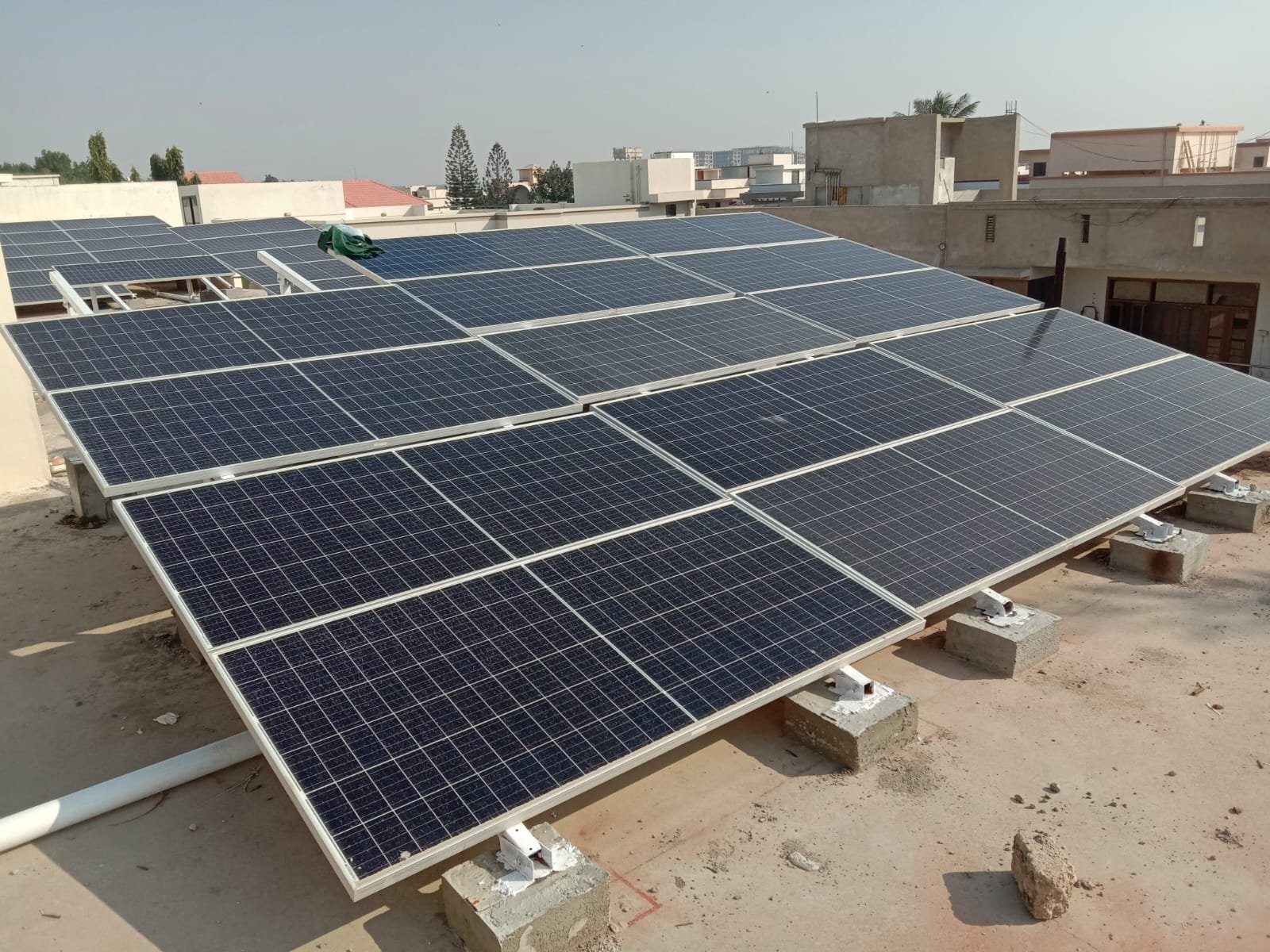
Solar mounting structures are the foundation of every solar power system. They hold solar panels securely in place, maintain the correct tilt angle, and help maximize sunlight exposure throughout the day.
Choosing the right solar mounting structure directly affects the performance, durability, maintenance, and cost of a solar installation. Whether the project is a residential rooftop, a commercial building, an agricultural field, or a utility-scale solar farm, each structure type serves a specific purpose.
This detailed guide explains the main types of solar mounting structures and their real-world applications.
1) Rooftop Solar Structures
Rooftop solar structures are installed on the roofs of residential, commercial, and industrial buildings. They are one of the most popular choices because they use existing roof space without requiring extra land.
These systems are highly space-saving and cost-effective, making them ideal for urban areas where land is limited.
Common Rooftop Types
Rooftop systems are often available in different structural formats such as:
- L1 Solar Structure
- L2 Solar Structure
- L3 Solar Structure
- L4 Solar Structure
These models usually vary based on:
- Roof type
- Height requirement
- Wind load
- Tilt angle
- Number of panels
- Shadow clearance
Benefits
- Saves rooftop space efficiently
- Lower installation cost than ground systems
- Fast setup
- Ideal for homes and offices
- Reduced wiring losses due to shorter cable distance
- Easy integration with net metering systems
Applications
Best used in:
- Houses
- Office buildings
- Schools
- Hospitals
- Factories
- Shopping malls
- Warehouses
Best For
Choose rooftop solar structures when:
- Roof space is available
- Land is expensive
- Residential or commercial use is required
- Faster ROI is the goal
2) Ground Mounted Structures
Ground mounted solar structures are installed directly on open land using steel or aluminum supports fixed into the soil or concrete foundations.
These systems are perfect for large solar installations because they provide flexibility in panel orientation and allow easy maintenance.
Common Ground Structure Types
Popular ground-mounted variants include:
- P1 Solar Structure
- P2 Solar Structure
- P3 Solar Structure
These are selected depending on:
- Soil condition
- Wind zone
- Number of rows
- Land slope
- Foundation depth
Benefits
- Ideal for large-scale solar farms
- Better cooling and airflow
- Easier cleaning and maintenance
- Flexible tilt adjustment
- Easy future expansion
- Higher efficiency than poor-angle rooftops
Applications
Best for:
- Solar farms
- Industrial projects
- Large commercial facilities
- Open plots
- Rural land
- Utility-scale solar plants
Best For
Use ground mounts when:
- Open land is available
- Large MW-scale projects are planned
- Maintenance accessibility is important
- Roof installation is not feasible
3) Elevated Solar Structures
Elevated solar structures raise the solar panels above ground or rooftop level, creating usable space underneath.
These are excellent where dual-purpose land usage is required. The structure allows sunlight capture while preserving the functionality of the space below.
Benefits
- Better use of vertical space
- Reduces shadow issues
- Allows movement underneath
- Provides shaded area
- Improves ventilation
- Suitable for multifunctional use
Applications
Commonly used in:
- Parking areas (solar carports)
- Agricultural land
- Farm sheds
- Walkways
- Rooftop sitting areas
- Industrial loading zones
Best For
Best suited when:
- Parking shade is needed
- Farming land must remain usable
- Rooftop utility space should remain open
- Elevated cooling is preferred
A common example is solar structures over car parking, where the panels generate electricity while also protecting vehicles from direct sunlight.
4) Tracking Solar Structures
Tracking solar structures are advanced systems that move the solar panels with the sun’s direction throughout the day.
Unlike fixed structures, these systems automatically adjust angle and orientation for maximum sunlight exposure.
This increases total energy generation significantly, although the system cost and maintenance are also higher. Tracking systems can improve yield by 15–30% or more, depending on single-axis or dual-axis design.
Types of Tracking Systems
- Single-axis trackers → move east to west
- Dual-axis trackers → move both horizontally and vertically
Benefits
- Higher energy generation
- Better sunlight optimization
- Improved output in large projects
- Better performance in utility plants
- Ideal for maximum ROI projects
Applications
Best used in:
- Utility-scale solar farms
- Large industrial plants
- High-efficiency commercial projects
- Research installations
- Open-field solar power plants
Best For
Choose tracking structures when:
- Maximum power generation is required
- Budget is flexible
- Large land area is available
- Utility-scale installation is planned
How to Choose the Right Solar Mounting Structure
The right structure depends on the project requirement.
Choose Rooftop If:
- You need a cost-effective system
- Roof space is unused
- The project is residential or commercial
Choose Ground Mount If:
- Large land is available
- Expansion may be needed later
- Easy maintenance matters
Choose Elevated If:
- You need space below the panels
- Parking or farming must continue
Choose Tracking If:
- Highest efficiency is the goal
- It is a large-scale commercial solar farm
Final Thoughts
The right solar mounting structure is essential for system strength, panel efficiency, and long-term durability.
Quick summary:
- Rooftop Solar Structures: best for homes and commercial roofs
- Ground Mounted Structures: ideal for open land and large projects
- Elevated Structures: perfect for parking and agricultural use
- Tracking Structures: highest efficiency for solar farms
Selecting the proper structure improves energy output, protects the panels from wind load, and ensures the project remains profitable for years.